The hyperscale data center landscape is evolving at breakneck speed, driven by explosive demand for cloud services, artificial intelligence and edge computing. As these facilities grow more complex, even advanced fiber optic connectivity solutions like 16-fiber MPO are being pushed to their limits. Enter the Multi-fiber Miniature Connector (MMC), a new connector technology rapidly becoming the backbone of next-generation hyperscale deployments.
For engineers, contractors and installers working in data centers and hyperscale environments, understanding the shift toward MMC technology is not just important, it's essential for staying competitive in an industry where density, speed and reliability determine success.
The Evolution of High-Density Connectivity: From MPO to MMC
Before diving into why MMC connectors are revolutionizing hyperscale deployments, it's crucial to understand the connectivity evolution that brought us here. Traditional MPO connectors have served the industry well, with 16-fiber MPO variants becoming popular due to their optimal balance of density and usability.
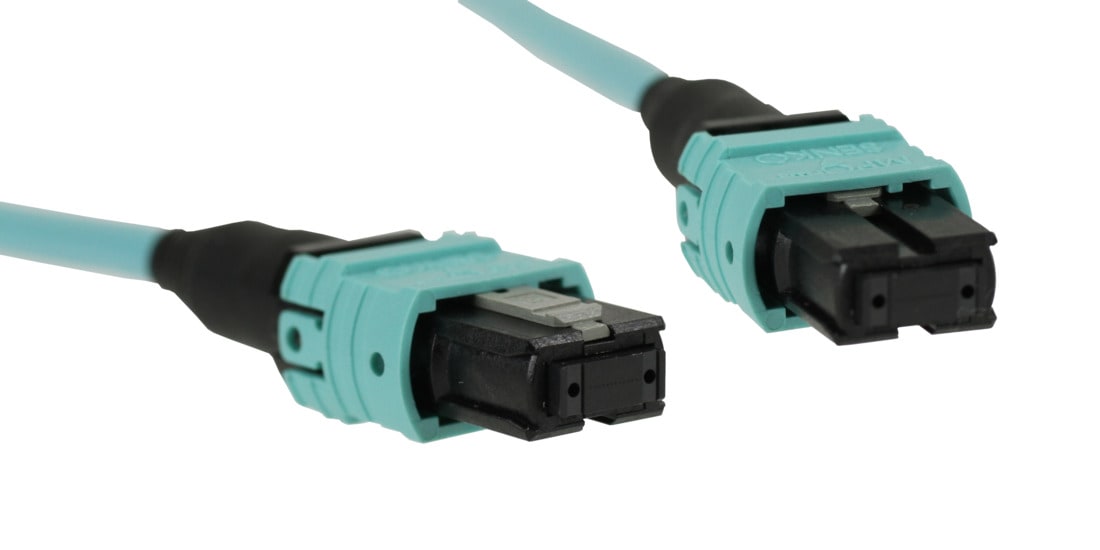
MPO Fiber Cable
MPO-16 connectors improved over traditional single-fiber solutions, offering eight times the fiber count in roughly the same physical space as two duplex LC connectors. However, as data center demands continue to escalate, even these advanced solutions are reaching their practical limits.
The MMC connector represents the next evolutionary leap. Unlike MPO connectors which are limited by their form factor and large footprint, MMC connectors utilize an innovative design that maximizes fiber density while minimizing physical space requirements.
The Hyperscale Challenge: Beyond What MPO Can Deliver
Unlike traditional enterprise facilities, hyperscale data centers face challenges that are pushing beyond what even advanced MPO technology can address:
While 16-fiber MPO technology addressed some of these challenges, the MMC connector takes solutions to an entirely new level.
Why MMC Connectors Are the Bleeding-Edge Solution
The MMC connector represents a fundamental reimagining of multi-fiber connectivity, incorporating innovations that address the most demanding hyperscale requirements: Revolutionary Architecture.
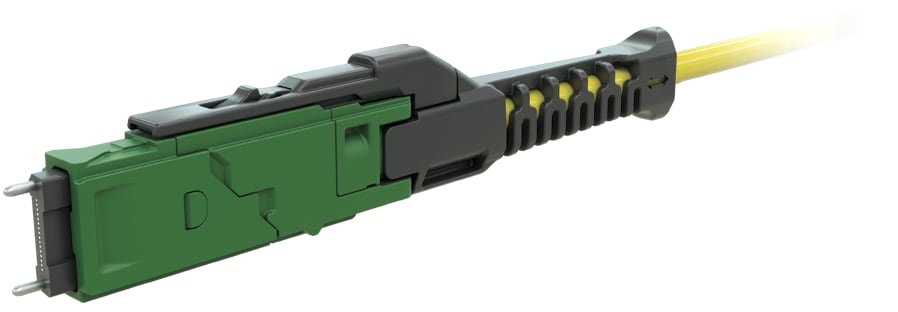
Fujikura MMC Connector
The MMC's design provides several critical advantages over traditional MPO connectors:
Advanced Fiber Management
MMC connectors incorporate improved fiber management features over traditional MPO capabilities:
The Critical Role of Testing and Inspection
While MMC connectors offer unique capabilities, their advanced architecture and high fiber densities make comprehensive testing and inspection more critical than ever. Successful MMC deployments require testing strategies and tools that ensure optimal performance in hyperscale environments.
Multi-fiber Inspection and Cleaning Systems
Leading solutions like AFL's One-Click® MPO cleaners provide the contamination control essential for MMC deployments by delivering consistent, repeatable cleaning of multi-fiber end faces.
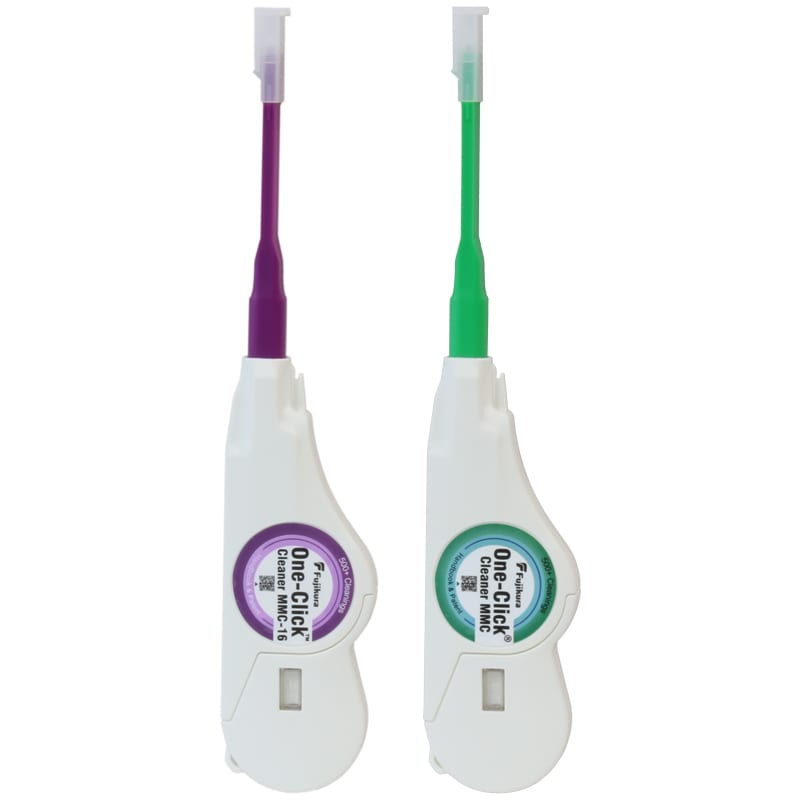
One-Click® MMC16-24 Cleaners
The critical importance of proper MMC connector cleaning cannot be overstated:
Comprehensive Loss Testing and Installation Verification
MMC installations require testing protocols that go beyond traditional insertion loss measurements. Solutions like AFL's FlowScout® MPO OLTS Test Set streamline the complex testing requirements of these deployments by providing automated testing capabilities that match the technology's architecture.

AFL's FlowScout MPO OLTS Test Set
The FlowScout MPO OLTS addresses critical MMC testing needs through:
OTDR Analysis and Monitoring
The mission-critical nature of hyperscale applications makes ongoing monitoring essential, requiring testing solutions that can characterize entire multi-fiber links without service disruption. AFL's MPO-24 Switch automates OTDR testing of multi-fiber links without the need for disconnecting and reconnecting connectors during testing procedures.
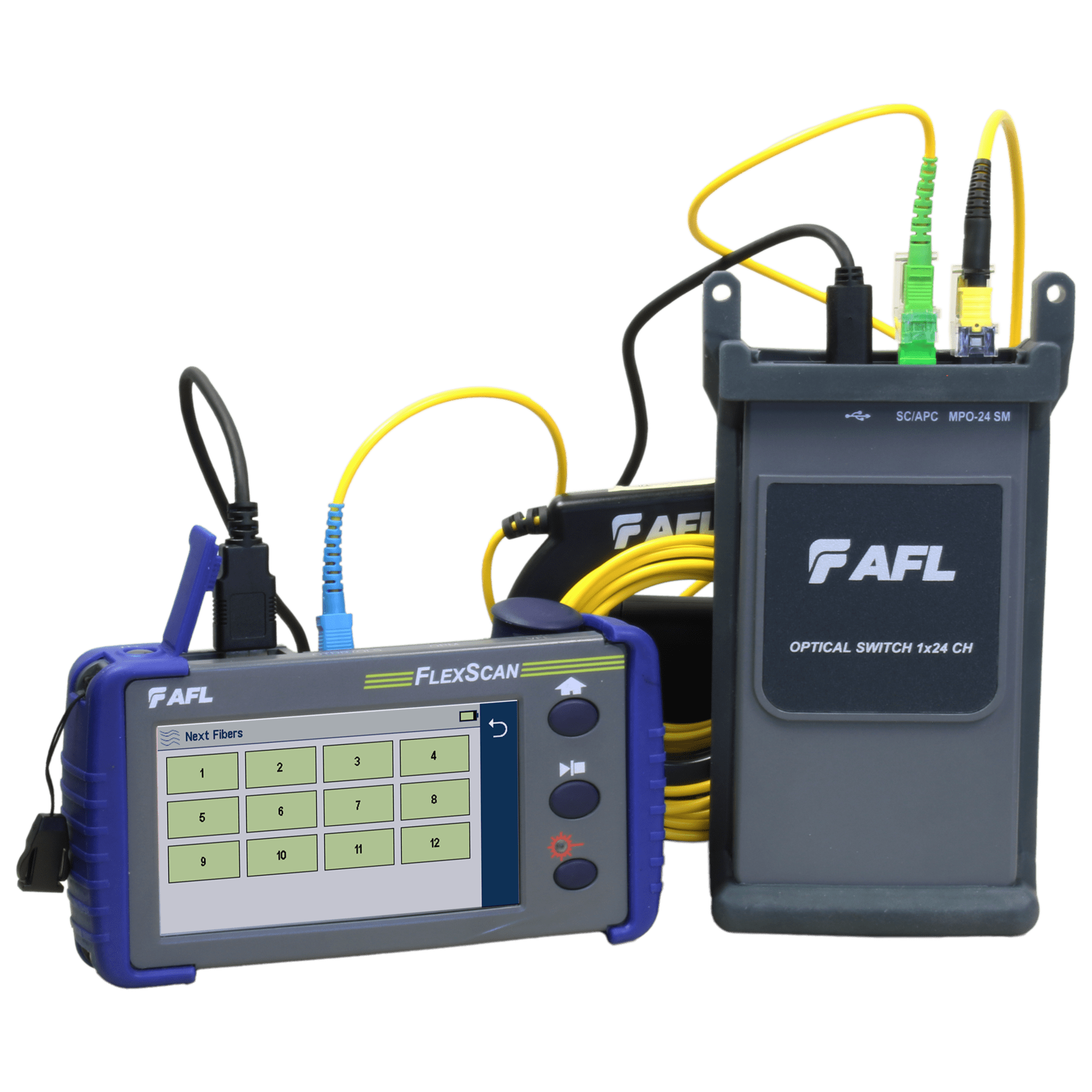
The MPO-24 Switch enables monitoring through:
The ROI of Comprehensive Testing
While testing and inspection may add upfront costs to MMC deployments, the return on investment in hyperscale environments is compelling, particularly when testing solutions reduce both testing time and labor requirements:
MMC and Beyond
The shift toward MMC technology represents more than just another connector evolution, it's a fundamental transformation that will define the next generation of optical infrastructure. While proven technologies like 16-fiber MPO continue to serve important roles in many applications, the bleeding-edge demands of modern hyperscale environments require new capabilities that only MMC technology can provide.
Ready to future-proof your data center? Discover AFL’s Discover AFL's full suite of hyperscale solutions and connect with our experts today.